Berlinale 2026: A year of controversy and contradiction
Gabrielė Liepa (b. 1993) is a Berlin-based Lithuanian filmmaker, writer, performer and critic. Their enthusiasm lies in postwar arthouse, queer and Eastern European cinema. They hold a Masters degree in creative film production with their first short film currently in post-production.
Simon Holm (b. 1996) holds a master’s degree in film studies from University if Inland Norway and works as a media teacher.
*
Berlinale 2026: Set against a year of controversy and contradiction, this dialogue reflects on the 2026 Berlin International Film Festival as both a cinematic and political battleground.
While the festival continues to position itself as a global platform for diverse and radical voices, questions surrounding censorship, state influence, and artistic freedom loom large.
Through a back-and-forth exchange, our two critics, Simon Holm and Gabrielė Liepa, navigate a programme marked by uneven premieres but invigorating retrospectives, weighing moments of creative brilliance against a broader sense of institutional uncertainty.
What emerges is a portrait of a festival at a crossroads, caught between its legacy as a site of bold expression and the pressures that increasingly threaten to dilute it.
*
Gabrielė Liepa: This was my second time participating in Berlinale at full throttle. Last year, I was personally offered quite a feast of queer cinema, while this year the programme felt lukewarm at best. I generally find Berlinale’s Competition selections quite unenticing, and tend to focus on classics and my favourite Forum section – with Panorama offering some gems as well.
This year, the various retrospectives invariably outshone the premieres I had the chance to see (and I will cover them separately in another report). While the archival digs that Berlinale showcases each year don’t fail to surprise and thrill me, there’s something quite disquieting about one of the world’s top film festivals losing its cutting edge, especially as its reputation as a prestigious yet radical film festival is now inevitably unraveling in the international spotlight.
Simon Holm: My experience last year – covered in this dialogue and this report – had prepared me for mixed results in terms of film quality, and that is exactly what I got. But I think we should begin by addressing the elephants in the room, because there is little doubt that the biggest headlines from this year’s Berlinale had nothing to do with the movies…
GL: Indeed, one could say that last year’s chickens have come home to roost. Berlinale finds itself in the impossible situation of being an international, independent festival relying on the funds of a cultural ministry which wants to hear nothing of freedom of creative expression or of speech… One may question the status of democracy in a country that disallows dissensus with punitive measures and shackles creative workers by intimidating them into self-censorship.
But alright, a brief recap: this year saw an almost comical incongruence between the start and finish of the festival. During the opening press conference, this year’s head jury, Wim Wenders, said that cinema should “stay out of politics” when asked about the festival’s ambiguous solidarity choices – strongly voicing support for Ukraine, but not for Palestine – a stance not even congruous with his own previous reflections on cinema. Then, after the closing ceremony, the German cultural minister, Wolfram Weimer, promptly set out to fire the festival’s director, Tricia Tuttle, for quote-unquote “transgressions.”
The symbolic pretext boils down to the very political reasons of Germany’s inevitable failure to control how its active complicity in the genocide in Gaza affects its international reputation. With the two news items, I’m not even sure which comes first: tragedy or farce… Tuttle gets to stay – with conditions – thanks to international pressure and solidarity, but the suppressive conditions of Germany’s creative industries will only worsen despite the brief international spotlight they received. It will be very interesting to see how the festival navigates government impositions next year.
SH: This entire debacle seems especially absurd when you consider that the Berlinale is probably the A-list festival which most clearly prioritizes promoting films from different perspectives, often accompanied by unequivocal political statements. How can this remain the case if certain voices are quelled, and how would it even be possible in the first place if films are decidedly non-political? So the continuation will be interesting to follow, as this will inevitably shape the narrative in the lead-up to next year’s festival.
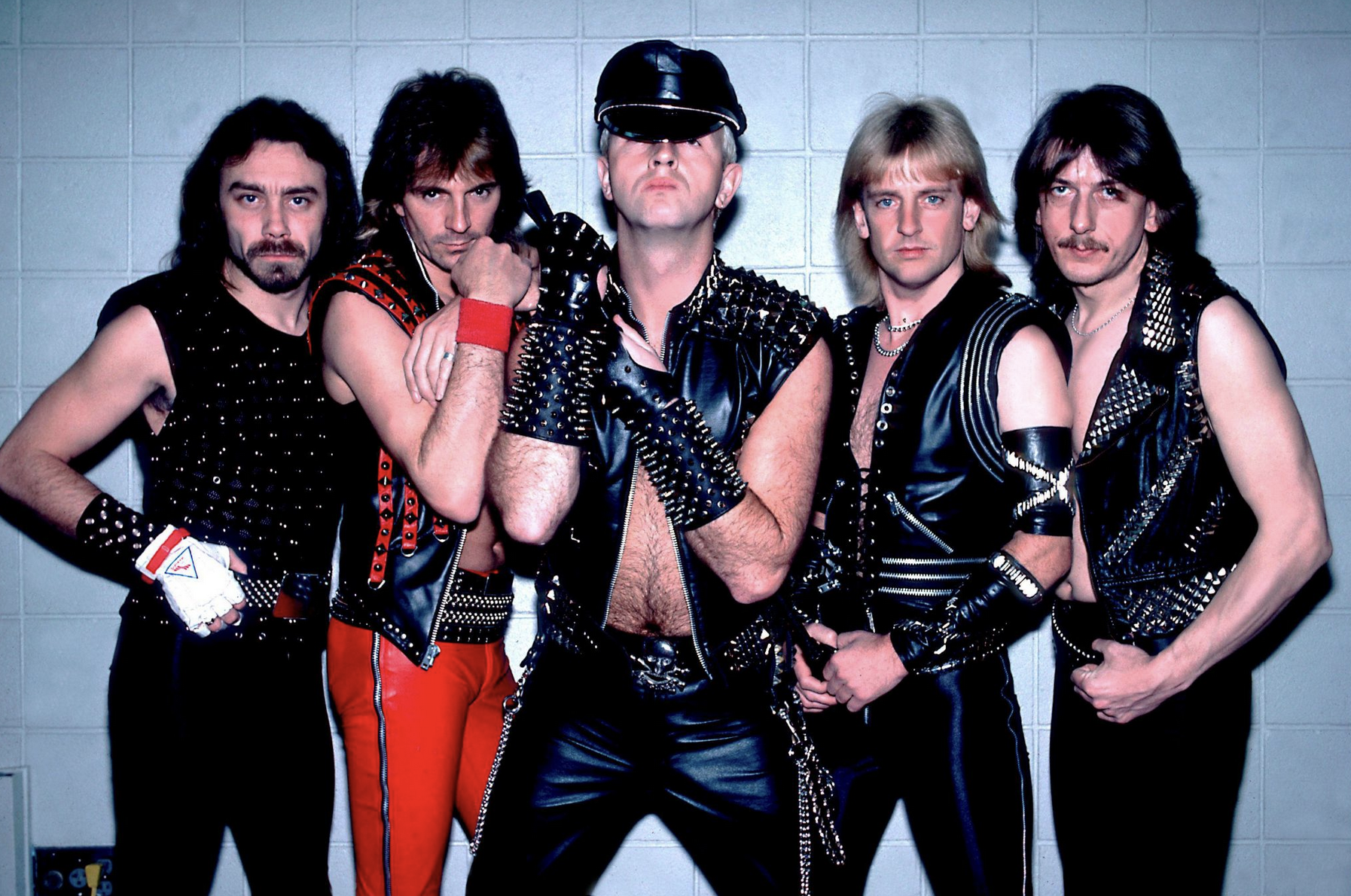
In spite of the controversy, there were memorable cinematic experiences on offer as well. I would love to start with the unequivocal highlight among new films: The Ballad of Judas Priest, directed by Sam Dunn and Tom Morello (!). This documentary guides you through the entire history of maybe the most influential metal band of all time, and does so with an overwhelming outpouring of love, admiration, and energy.
Their music is placed front and centre, and we get intimate insight into the band members’ subjective journeys. Additionally, we hear from some of the most avid fans of Judas Priest, among them Jack Black, Tom Morello, and Kirk Hammett. This allows the ballad to also depict the warm and supportive metal community, united only by a love of heavy music. The film is vigorous, touching, and endlessly entertaining – although I am obviously biased, this being my genre of choice.
GL: Well, now I feel a little bummed out that I missed out on it. Though now that I think of it, you might have enjoyed the musical sequences of my own true festival highlight: Panda.
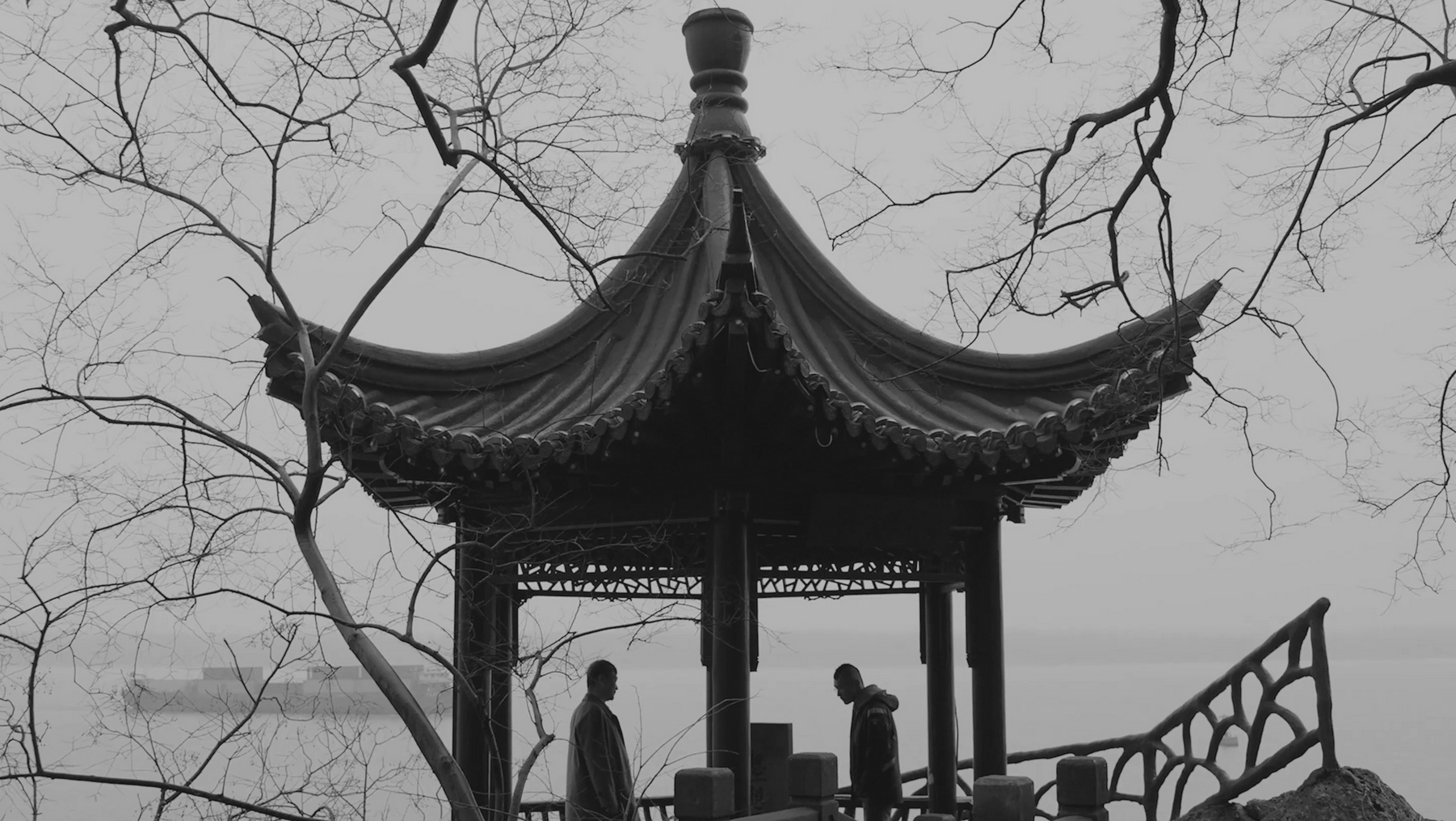
When introducing his debut, the director Xinyang Zhang assured us that we were all pandas for showing up at a cinema on a Saturday morning, which set us in the right mood for this cinematic journey of languid twists and turns. A lullaby of a film, it meanders through ghostly Nanjing as it follows four mysterious (arguably) humans while continuously returning to the Yangtze riverbank.
The earthly, underworld, and mythical realms coalesce into a black-and-white decrepit cityscape heaped with trash, ruins, and outcasts. It may sound grim, but it is anything but – instead, Panda is filled with a quiet charm, absurd humour, and endearing characters.
Their odysseys might be small and bizarre, but their focus is very serious, which leads to unexpected encounters and connections, including my favourite, a jam session in a sewer. One of those films that is calm yet brimming with life – the kind that makes you open your eyes a little wider to the world around you.
SH: This alluring combination of frivolity and seriousness is also a trademark of the «Generation» section, consisting of films geared towards a younger audience, which I tend to enjoy immensely. There is a purity present in these films, an informal charm and energy which is rare in the other festival sections.
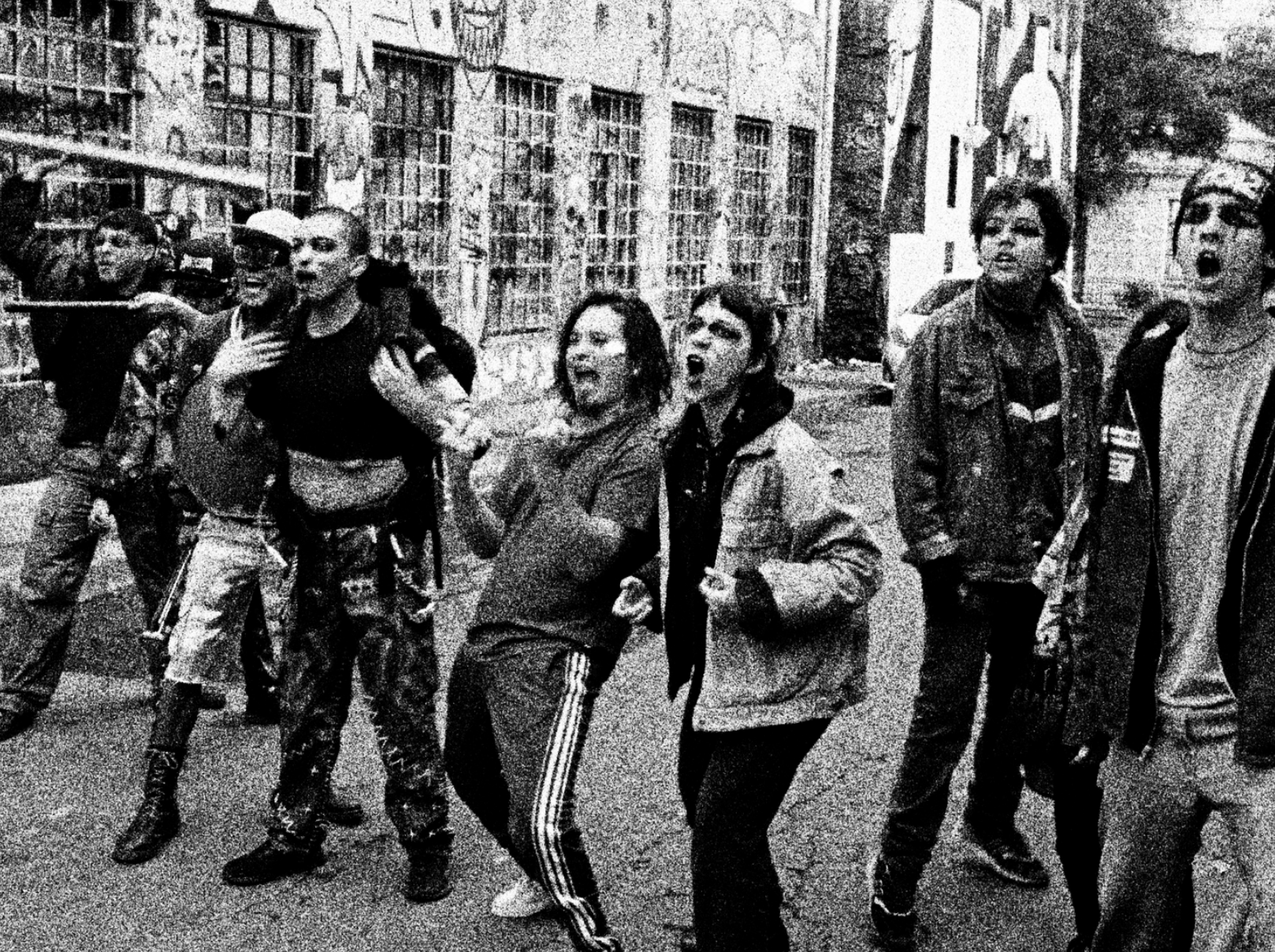
The highlight ended up being the Chilean punk superhero film Matapanki. Ricardo notices that he gains superpowers by drinking Matapanki, a traditional mix of any and every kind of alcohol available. The story is steeped in teenage rebellion, barely uncorrupted by the realities of capitalist decay.
Silly humour and exuberant performances ensure that Matapanki can appeal to nearly anyone: all you need is a basic, human distaste for the capitalist colonization and commercialization of existence.
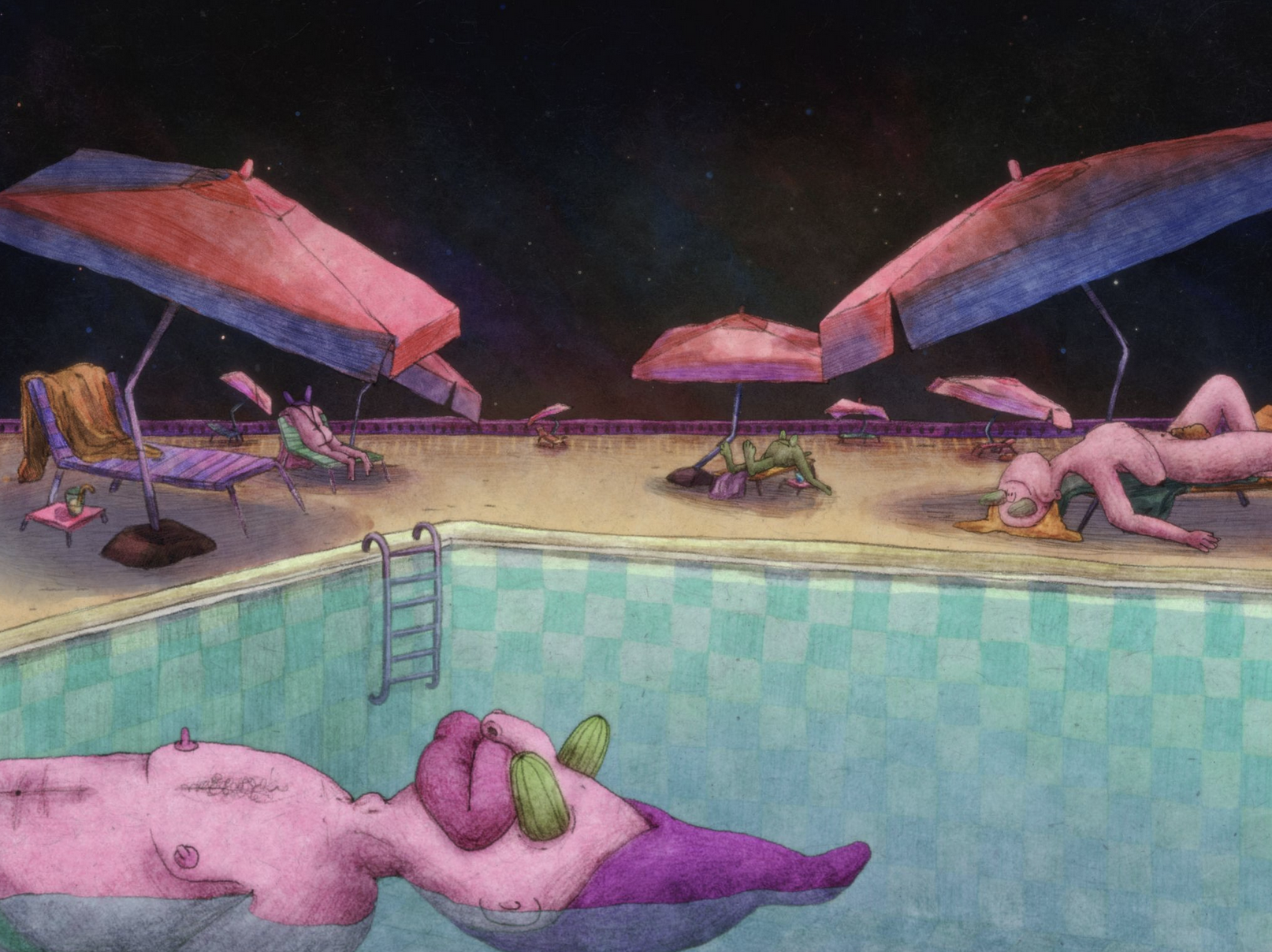
GL: It sounds like a blast! I tend to seek out Very Serious Cinema, neglecting the most difficult genre – comedy – yet having a good laugh with the rest of the audience makes moviegoing such a magical experience. And so my unforgettable memory of this year is also the one filled with silly humour that unfailingly delighted the whole crowd.
The Slovenian animation by Leo Černic, Cosmonauts, is an endearing short film about a bunch of wacky characters on an intergalactic BDSM cruise, all looking for a little bit of love. A small hand-drawn treat that took years to develop, it explores desire, loneliness, and self-love so touchingly that you sometimes forget it’s all happening on a dildo-shaped spaceship.
It left me feeling just so happy that it exists.

SH: A different approach to humour was found in The Moment, telling the story of Charli XCX’s attempt at maintaining momentum in the wake of the massive success of brat. But as a satirical mockumentary, it is severely lacking in both edge and comedy – although it is possible that some of the references and jokes simply flew over my head, as my relation to her is shamefully underdeveloped.
Charli is depicted as counter-cultural and rebellious, but the critique of the capitalist machine which tries to force her to conform is largely trite and toothless. Nothing about this feels fresh or inventive.
Maybe most damning, however, is the abject lack of music in the film. This is a film by, with, and about Charli XCX, yet her songs are almost entirely absent – a frankly baffling decision.
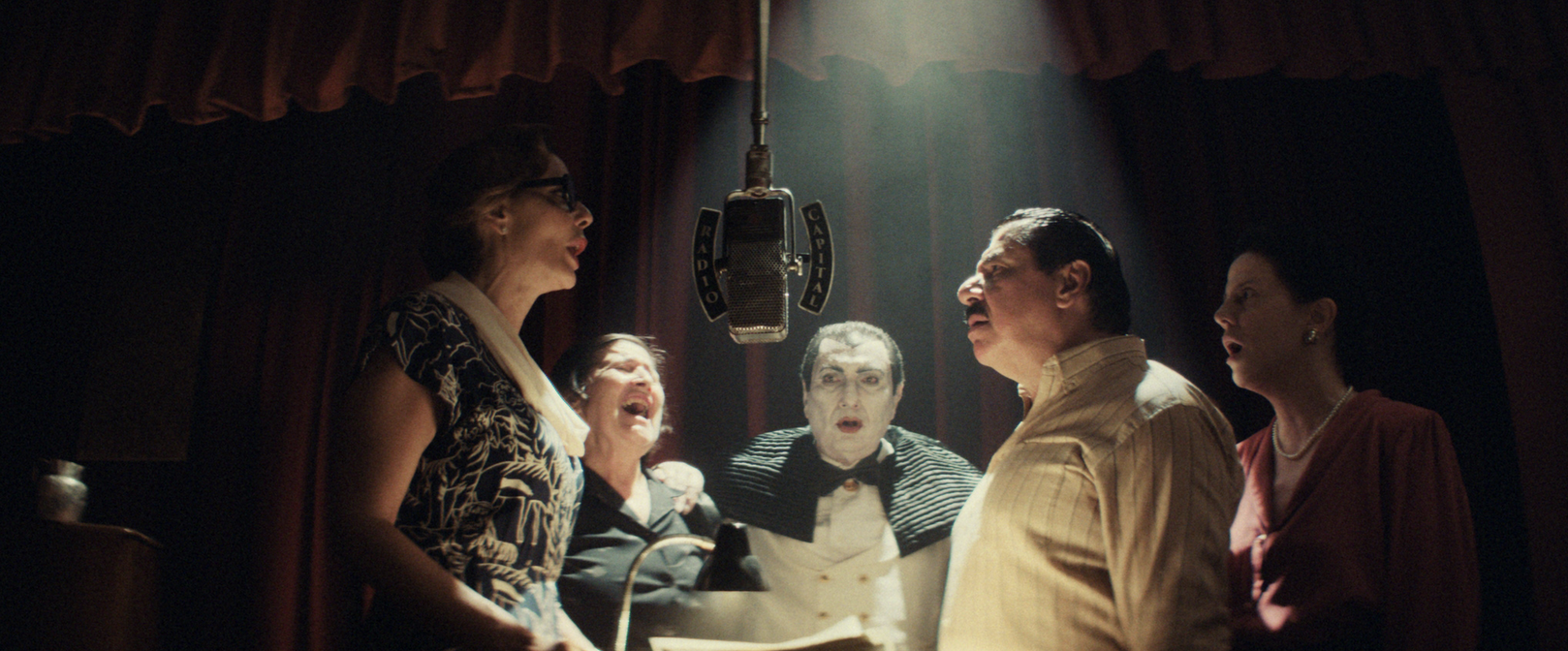
GL: There were quite a few premieres that sounded promising, yet fell flat this year. My own disappointment with unfulfilled promises came from Narciso by Marcelo Martinessi, which got the FIPRESCI prize in the Panorama section. Set around a Paraguayan radio station in the late 1950s, it juxtaposes the arrival of rock’n’roll with the intensified violence and terror of Alfredo Stroessner’s dictatorship. The eponymous Narciso (Diro Romero) is an aspiring radio jockey and, while he might be oblivious to the symbolic threat that modern music poses to the governing powers, he certainly is not oblivious to its sex appeal.
Lusted after by just about everyone in Asunción, he thinks he’s on his way to becoming Paraguay’s Little Richard. What did stand out to me were fascinating behind-the-scenes sequences of radio drama broadcasts of Dracula. Nahuel Perez Biscayart’s appearance as an American Mr. Wesson was also very strong, with Wesson feeling much more enigmatic than the film’s murder mystery. The sprinkles of erotic fantasy and tension promised to push the film into transgressive waters but shied away from meaningfully leaning into its hailed focus on queer desire and repression.
Moreover, illustrations of growing paranoia and hostility in a dictatorship – plus how state-sponsored, self-serving intolerance emboldens friends and colleagues to turn on each other – were themes that should have been the highlight of the film, but came a little too late to have the space needed to explore their nuances. The main story didn’t really gain momentum and felt deflated, especially compared to the ornamentation around it, though I suppose that the setting Narciso paints is unique enough to see for its own sake.

SH: Speaking of missed chances: we would be remiss if we didn’t also touch upon Árru, the Sápmi joik musical which was the only Norwegian movie at this year’s Berlinale.
GL: I found Árru to be very disappointing. I cannot say that it delivered on any level of the potential that it carried.
SH: It starts off promisingly with grand shots of the overwhelmingly beautiful nature of northern Norway, but never manages to live up to the expectations of its opening sequence. The musical numbers seem awkwardly integrated into the storytelling, and the tumultuous narrative and tonal structure make for a frustratingly forgettable experience.
It also, unfortunately, shines through that the casting is done with joik in mind: especially in the scenes featuring Mikkel Gaup, it is painfully apparent that he has more experience acting on screen than the rest of the cast put together.
GL: It’s probably why it all felt stiff and disjointed. I could not connect to any of the characters – it felt like none of them wanted to be there, which I am not sure was a deliberate directing decision. Dealing with sensitive and heavy topics of power and its abuses, the story would have carried more dignity had not everything been spelled out for the audience via heavy-handed dialogue, allowing us to do at least some of the thinking and feeling ourselves.
It could be that the film approached too many elements, and so the resulting mélange didn’t stick.
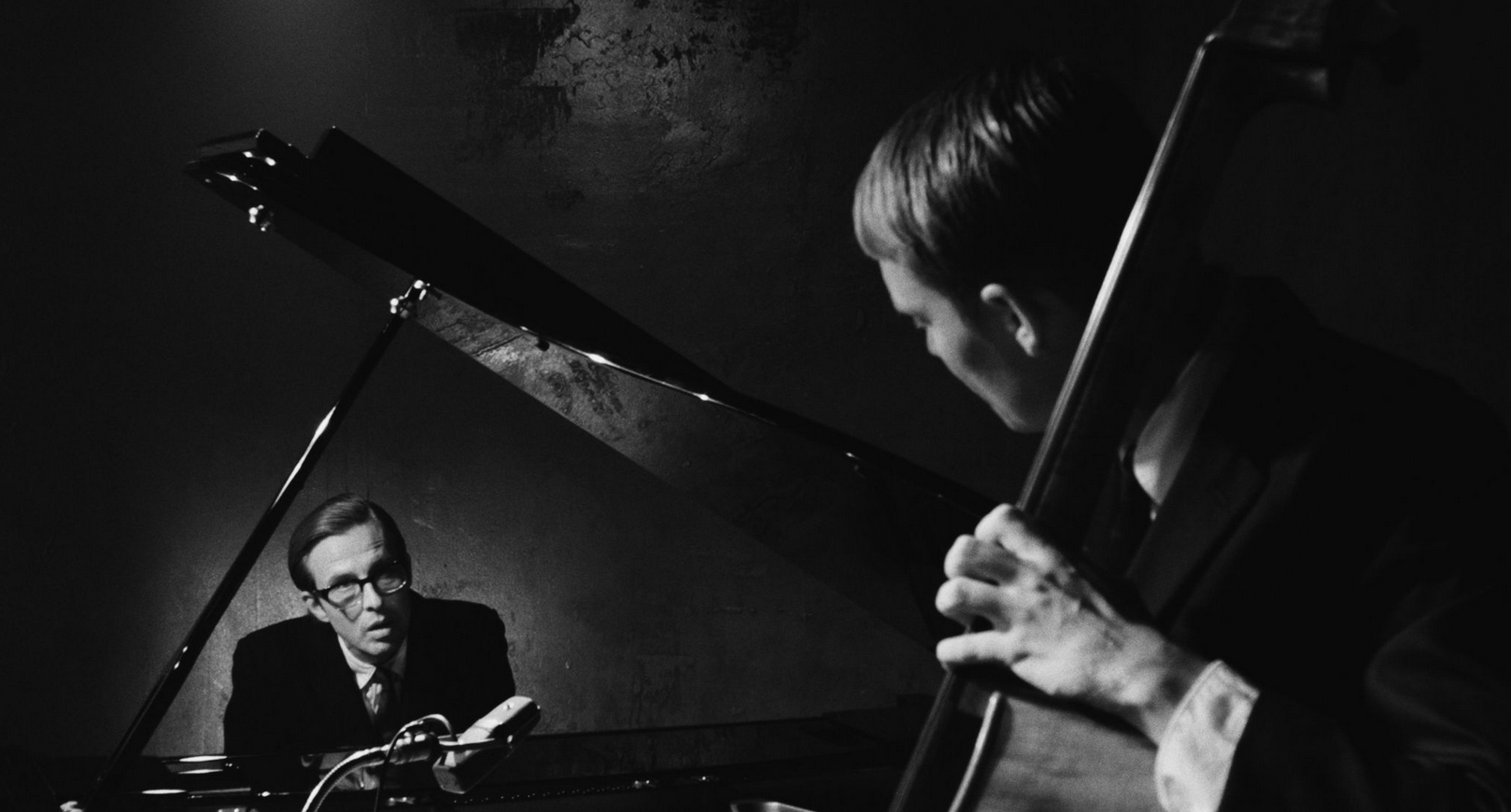
SH: There was also some Norwegian presence in this year’s competition programme, with Anders Danielsen Lie portraying the titular jazz legend in Grant Gee’s Everybody Digs Bill Evans. This is also, however, a film about a musician which doesn’t end up being about music. Instead, it is a meditation on grief, addiction, and existential waywardness, told with a non-linear structure which only partially seems justified.
The different eras of Bill’s life and career blend together into a vivid concoction of pain and longing. Lie’s performance is compelling, especially because he doesn’t abandon his own unique mannerisms and speech patterns despite playing a historical character.
All in all, there is plenty to admire about Everybody Digs Bill Evans, but certain parts never get successfully integrated with the core story, leaving the overall impression of a jumbled, charmingly messy retelling of a true music legend’s life.
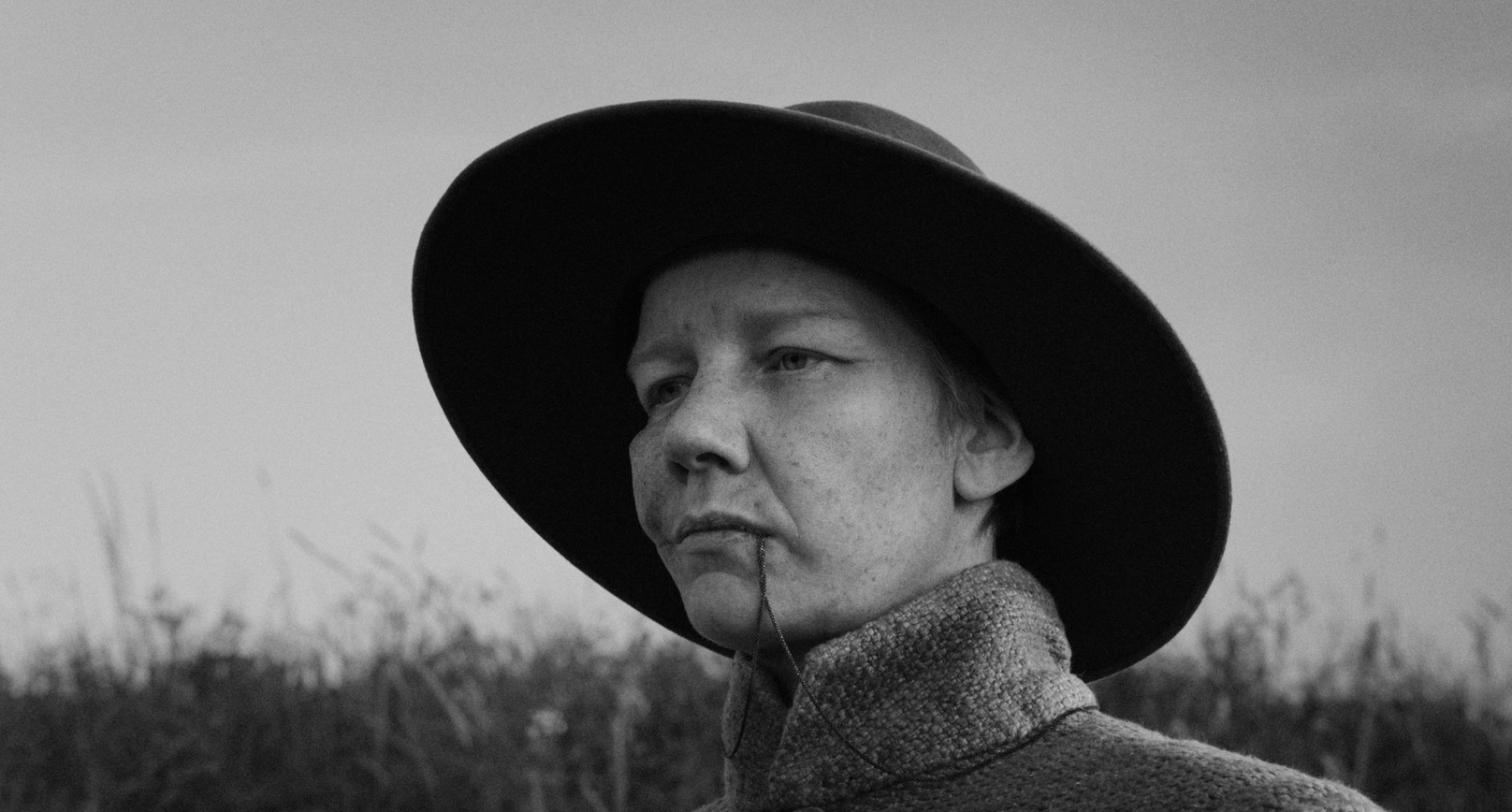
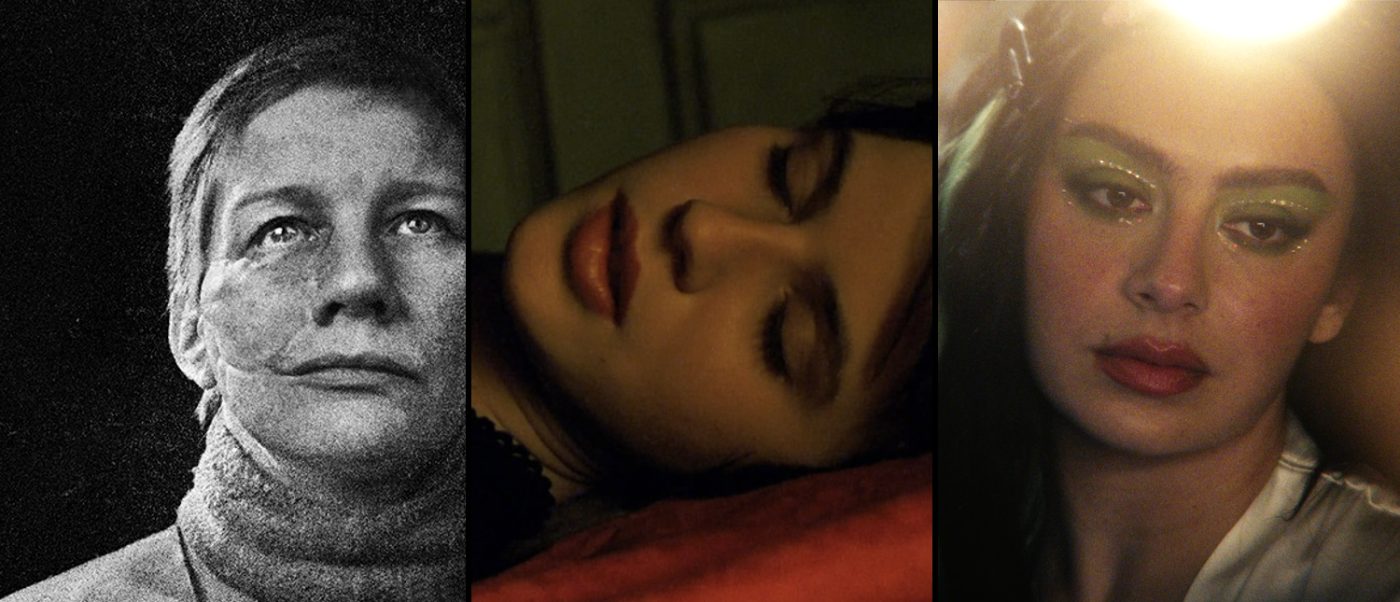
GL: I only saw one film from the Competition section, Markus Schleinzer’s Rose – since, honestly, no other synopsis managed to grab my attention among the 22 competitors. The premise of a mysterious soldier appearing in a 17th-century German Protestant village and claiming an inheritance to an abandoned farm? Curious enough but Sandra Hüller playing the soldier? I simply had to see it, especially as transposing contemporary gender and identity questions onto an austere Dreyeresque black-and-white drama could easily derail the whole project.
The film turned out to be a very pleasant surprise, and not only because of Hüller’s fabulous performance that brought her the Silver Bear. The craftily deceptive tone leans into the historical episteme of the story, siding with the internal logic of the witch-hunters, trusting the viewers to be able to handle the discomfort and appreciate the nuances of its bleak irony and dry humour.
While resisting the imposition of contemporary readings of Hüller’s character’s queerness, the resonance and urgency of Rose are firm and unmistakable, with the rapidly growing demonization of queer communities shadowing the film throughout. And speaking of the queer community…
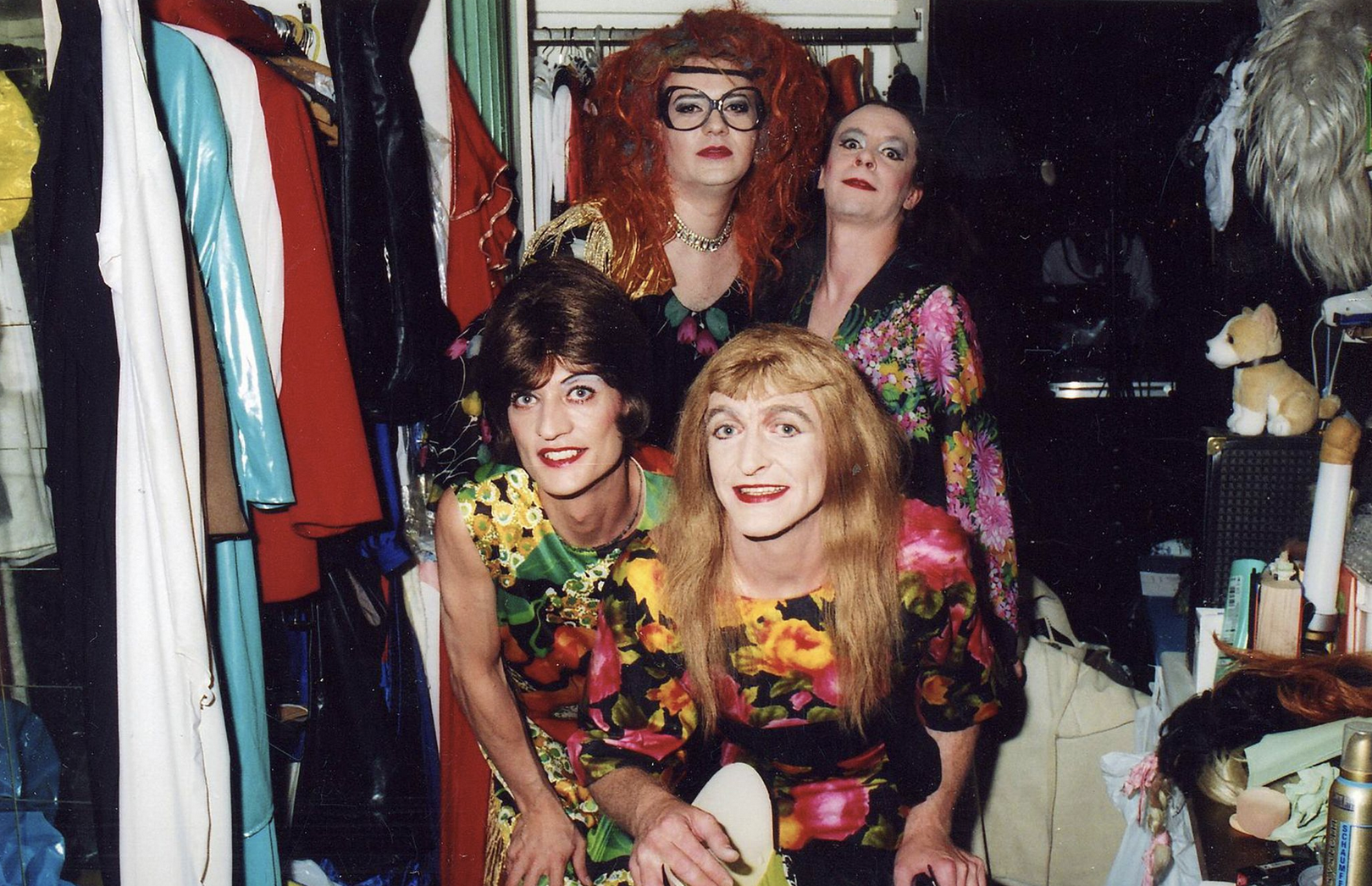
SH: Queens Don’t Cry?
GL: Indeed! A documentary by the legendary Rosa von Praunheim – who passed away this December – Tunten lügen nicht («Queens Don’t Cry») was shown as part of a special programme celebrating the 40th anniversary of the TEDDY Award. Actually, the last film he released before his death, the auto/docufictional Satanic Sow, won last year’s TEDDY documentary award. In Tunten lügen nicht, four drag queens – Ichgola Androgyn, Tima the Divine, Ovo Maltine, and BeV StroganoV – weave the tale of their friendship, activism, and performance through captivating talking heads and plenty of archival footage.
Setting off in West Berlin in the ’80s in SchwuZ – a gay venue that recently closed down – their drag was radical from the get-go, though their activism reached far beyond the stage. As the AIDS crisis was unraveling the queer community, the queens’ praxis stretched from education and direct action to community care and even running a hospice (and campaigning for mayor). Their histories of violence, heartbreak, illness, and loss—all of which they wear on their sleeves – did not extinguish their flame.
SH: This was a major highlight of the festival, a truly faithful depiction of expressed, unabashed queerness. Our subjects have such an abundance of charm and energy that it is difficult not to aspire to their way of life. The undercurrent of the AIDS epidemic lends the experience a deeper dimension, ensuring it cannot be dismissed as merely superficial and frivolous.
GL: A powerful capsule of a time and a place that no longer exist – as was felt by the desperate audience members who, during the Q&A, asked Ichgola Androgyn for advice on how to keep going in these terrifying times. She could give no advice. It seems to me that the time then was terrifying enough, and the documentary already provided the answer of solidarity over despair.
Then, there was another gem from the TEDDY40 retrospective we both enjoyed, Verführung: Die grausame Frau («Seduction: The Cruel Woman»), co-directed by Elfi Mikesch and Monika Treut.

SH: As often is the case at the Berlinale, the most rewarding discoveries were to be found in the retrospective sections. This film is so filled to the brim with references to classical art that it could be treated as a museum exhibit. The cold colour palette and meticulously constructed compositions – which admittedly might overuse Dutch angles – make for a sensuous aesthetic experience.
GL: It is hard to imagine that Verführung: Die grausame Frau premiered before the queer award was even born: its images are fresh and sumptuous, the screenplay unapologetic—something I find largely missing from contemporary queer cinema in general. Personally, I struggled to connect to the story emotionally, similarly to how I feel watching R.W. Fassbinder’s films (The Bitter Tears of Petra von Kant comes to mind as an immediate reference).
Perhaps it’s the cold theatricality of the performances that creates this peculiar distance I cannot bridge – with the exception of Udo Kier who, as the indignant masochist Gregor, steals the show. Nonetheless, despite the distance I personally grapple with, the unbridled stylishness, brazenness, and oddity of Die grausame Frau made it a delight to watch.
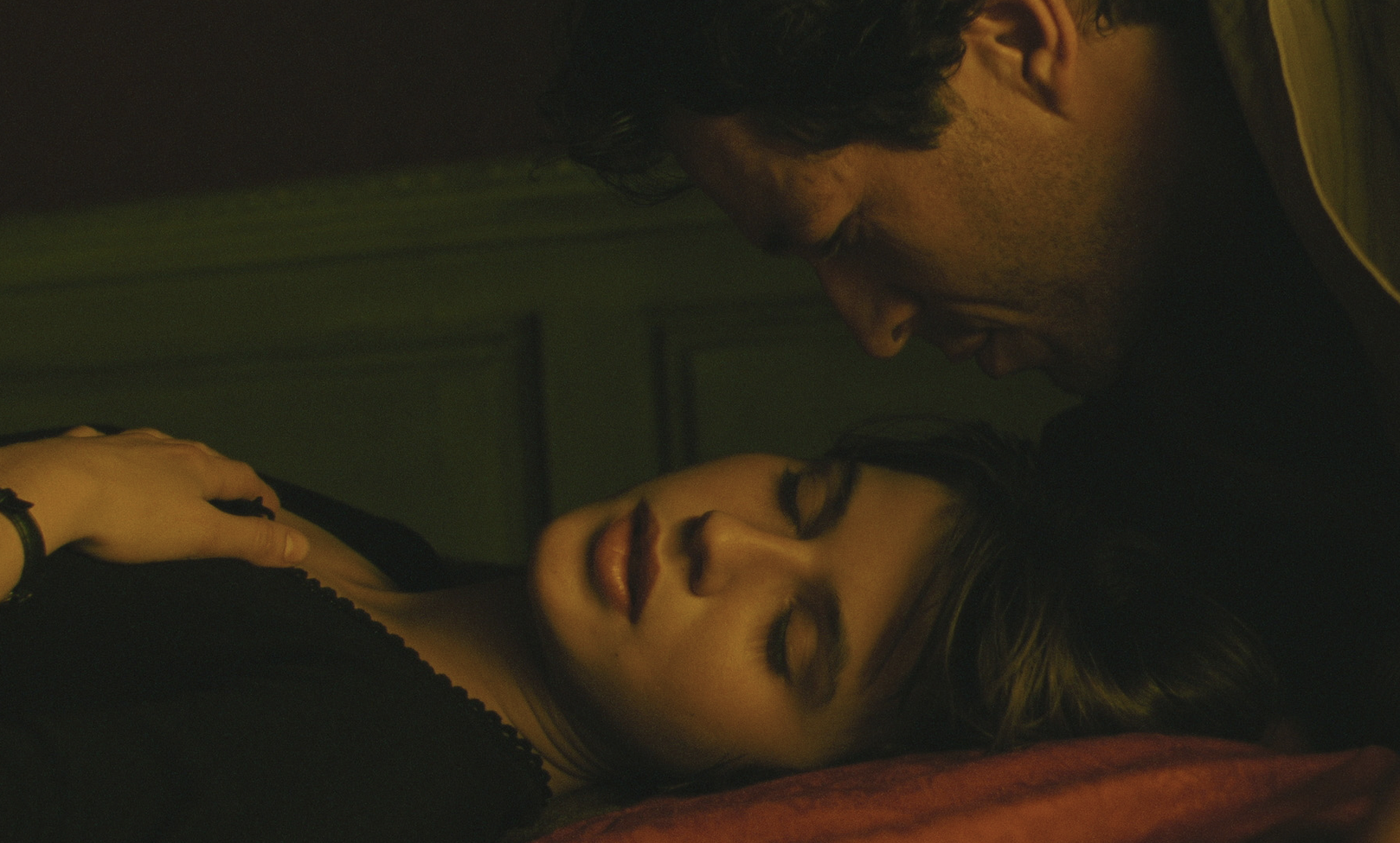
SH: On a purely aesthetic level, there was only one film which could top Die grausame Frau: La double vie de Véronique (1991), for which I attended all three screenings. It was abundantly clear that nothing else could move me to the same degree as Kieslowski’s masterpiece. The poetry of story, dialogue, and imagery combines to form an elegant serenade to life and beauty, touching and engaging from start to finish.
The dual fates of Weronika and Véronique are intertwined in sophisticated patterns which reward repeat viewings: there is always something new to discover, notice, and appreciate about the way their lives and stories intersect. I could talk for hours about the cinematic affection which seeps through every frame of Kieslowski’s story, so I will limit myself to emphasizing that the 30-year anniversary of his passing is a perfect opportunity to (re)visit one of the most undeniably beautiful cinematic universes of all time.
GL: La double vie de Véronique is one of my all-time favourites, too, though I have yet to experience it in a cinema even once – let alone three times! Perhaps this is what Berlinale currently excels at: opening the treasure chest of film history and reminding us of the highest highs of the film form.
While its large selection of premieres might drown out voices aspiring to work in that direction, Berlinale undeniably acts as a public arena for the discussion of “Where to next?” The possibilities and limitations of creative freedom due to political forces and for-profit industry models, the purpose and responsibility of cinema and the artists behind it—it’s a debate that has been ongoing at least since the Third Cinema movement in the ’60s.
Through its successes and failures, Berlinale reminds us that films are never purely art nor entertainment – and even if cinema stayed out of politics, politics would not stay out of cinema.